Product Fireside Chats: Influencing the Business with Data
Join Dan Seifert, Director of Talent Acquisition at Marqeta, as he explores how recruiting teams can use data and reporting to influence their organizations strategically.
Speakers


Overview
- Starting Somewhere New: Data-driven talent leaders earn credibility by asking "why" repeatedly during their first 100 days to understand business needs beyond just filling roles.
- Tailoring Your Message: Leaders gain executive support for innovative hiring approaches by presenting clear data thesis and providing frequent micro-updates throughout implementation.
- Metrics: Challenges & Opportunities: Scorecard submission rates, offer acceptance rates, and how Marqeta's "super days" batch hiring approach compressed timelines while improving pass-through rates.
How should new leaders build trust in the first 100 days?
[5:50–7:30]
Approach:
Ask “why” continuously.
- Why do we do this?
- How does the business make money?
- Who are our customers and why do they buy?
Goal: Understand how value is created before suggesting process changes.
How do you shift recruiters from outputs to outcomes?
[7:30–9:30]
Mindset change:
- From: “3 hires per recruiter per month.”
- To: “Will our workforce be the right size and shape by the target date?”
Tip: Use dashboards weekly; speak the language of revenue, product velocity, and value — not just req counts.
How can recruiters earn credibility with executives?
[10:00–12:00]
Insight: It’s not a “superpower”; it’s a muscle you build.
Ask smart business questions → act on the answers → show data-driven follow-through.
“The gold standard is when execs ping you for advice.”
Case study: How did batch hiring (“Super Days”) double speed?
[13:30–16:30]
Problem:
Hire ~30 software engineers quickly (August request) so they’re productive by Q4.
Baseline:
Average time-to-fill ~60 days.
Solution:
Weekly “Super Days”:
- Monday – Screens
- Tuesday – HM validation
- Thursday – Loops + same-day debrief
- Friday – Offers
Results:
- ~2× faster cycle time
- Interview→offer improved from 3:1 → 2:1
- Offer acceptance 94% (vs 80% baseline)
- Engineers productive before Thanksgiving
How do you get executives to buy into a new hiring model?
[16:30–20:30]
Playbook:
- Present the counterfactual — baseline vs projected.
- Send micro-updates after each Super Day (“20 interviewed; 10 to offer”).
- Require scorecards before debriefs to tighten cycles.
- Share early wins publicly across the exec team.
Which recruiting metrics really matter?
[23:00–25:30]
| Metric | Why It Matters | Example |
|---|---|---|
| Pass-through rate | Reveals where signal is lost | 10:1 vs 3:1 = misalignment |
| Time-to-offer | Speed to decision | Compress with batching |
| Offer acceptance | Market & process health | 80–94% at Marqeta |
| Scorecard completion | Quality of feedback loop | 90%+ vs 74% benchmark |
| **Start → first commit (eng) ** | True “time to value” | Engineers productive by Q4 |
How did Marqeta reach 90%+ scorecard compliance?
[25:45–29:30]
Keys:
- Explain why scorecards matter.
- Require submission before debriefs.
- Keep debriefs structured, consistent, and peer-visible.
“No one wants to be the person who didn’t do their homework.”
How to sustain high engagement during busy hiring cycles?
[31:30–34:00]
Tactics:
- Group intake + pre-briefs to align expectations.
- Exec presence at kickoff.
- Celebrate 100% scorecard participation.
- Reinforce the “why” — talent drives delivery capacity.
How does transparency protect offer acceptance?
[34:59–38:00]
Scenario:
Publicly traded company → tough Q3 → negative press.
Action:
Be honest with candidates about challenges and opportunities.
Result: Acceptance rate stayed ~80%+, as candidates trusted consistent, transparent communication.
What does excellence mean in recruiting?
[38:45–40:46]
Definition:
Continuous learning through blameless postmortems. Each hiring cycle should produce a lesson that improves the next one.
[Quick Reference] Summary Playbook for Data-Driven Talent Leadership
- Start with “why now” — define the business outcome and capacity goal.
- Set the bar — competencies + MVP signals only.
- Instrument the funnel — measure every conversion and lag.
- Run a predictable cadence — weekly pipelines or batch Super Days.
- Build executive confidence — share live data and early wins.
- Delight candidates — clarity, speed, and human communication.
- Retro + repeat — capture learnings; refine next cycle.
Key Takeaways
- Move beyond "what roles need filling" to "what business outcomes need achieving" to position talent acquisition as strategic business partner.
- Share immediate results and insights after each hiring initiative to build trust and demonstrate value to executive stakeholders.
- Structure hiring timelines to match business delivery cycles and align interviewing schedules with engineering sprints and product development needs.
- Create positive peer pressure through consistent debrief processes and make scorecard submission essential for productive hiring discussions.
- Document and communicate wins to build social capital for future experiments and enable bigger, bolder hiring process improvements.
- Deliver transparent, timely feedback regardless of hiring outcome to create brand evangelists and future talent pipeline opportunities.
Recommended Sessions
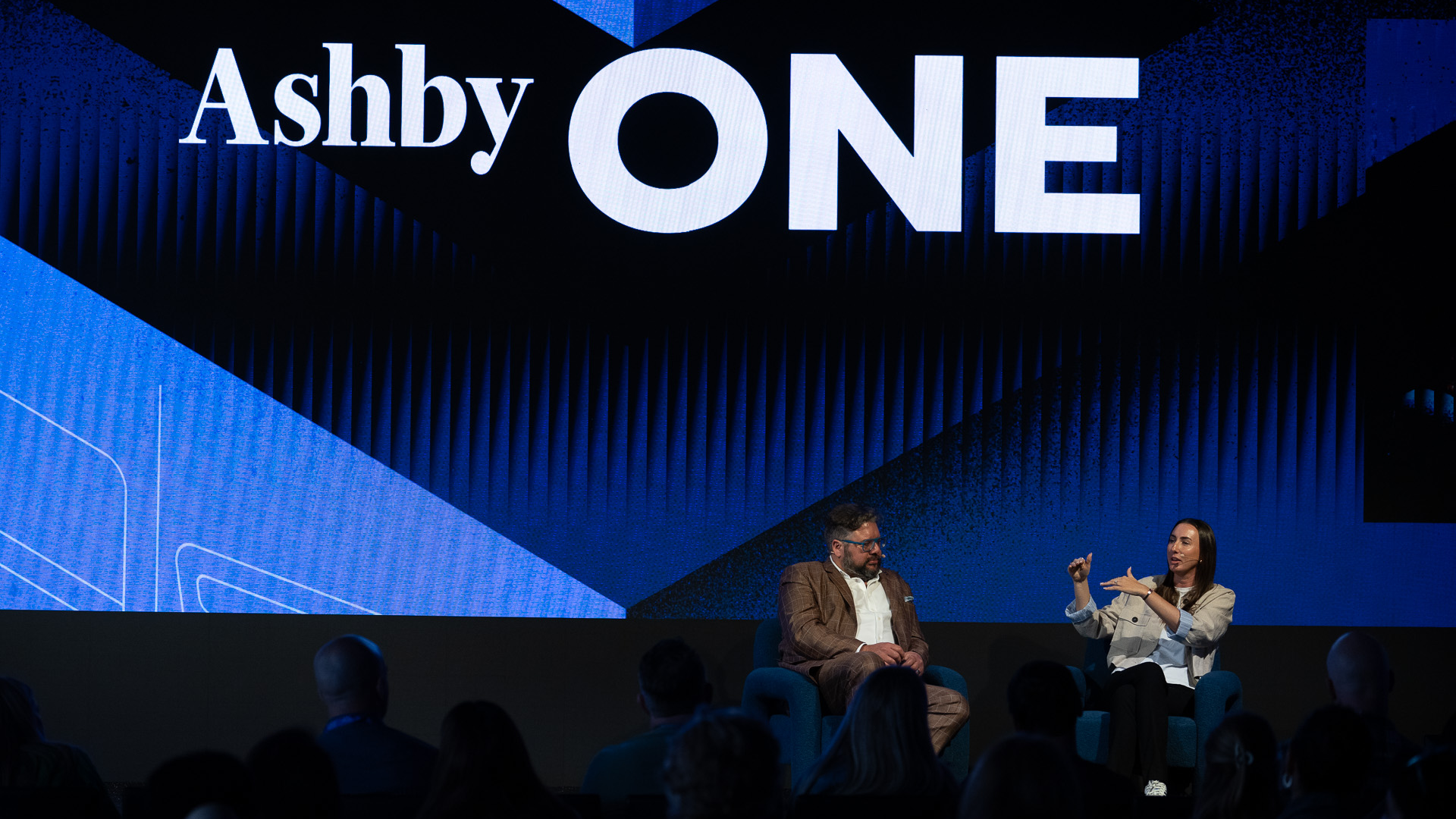
Reimagining Headcount Planning as a Head of Talent
This session explores how talent leaders become strategic drivers of the headcount planning process with a tangible case study from Vanta’s Head of Talent.
View session
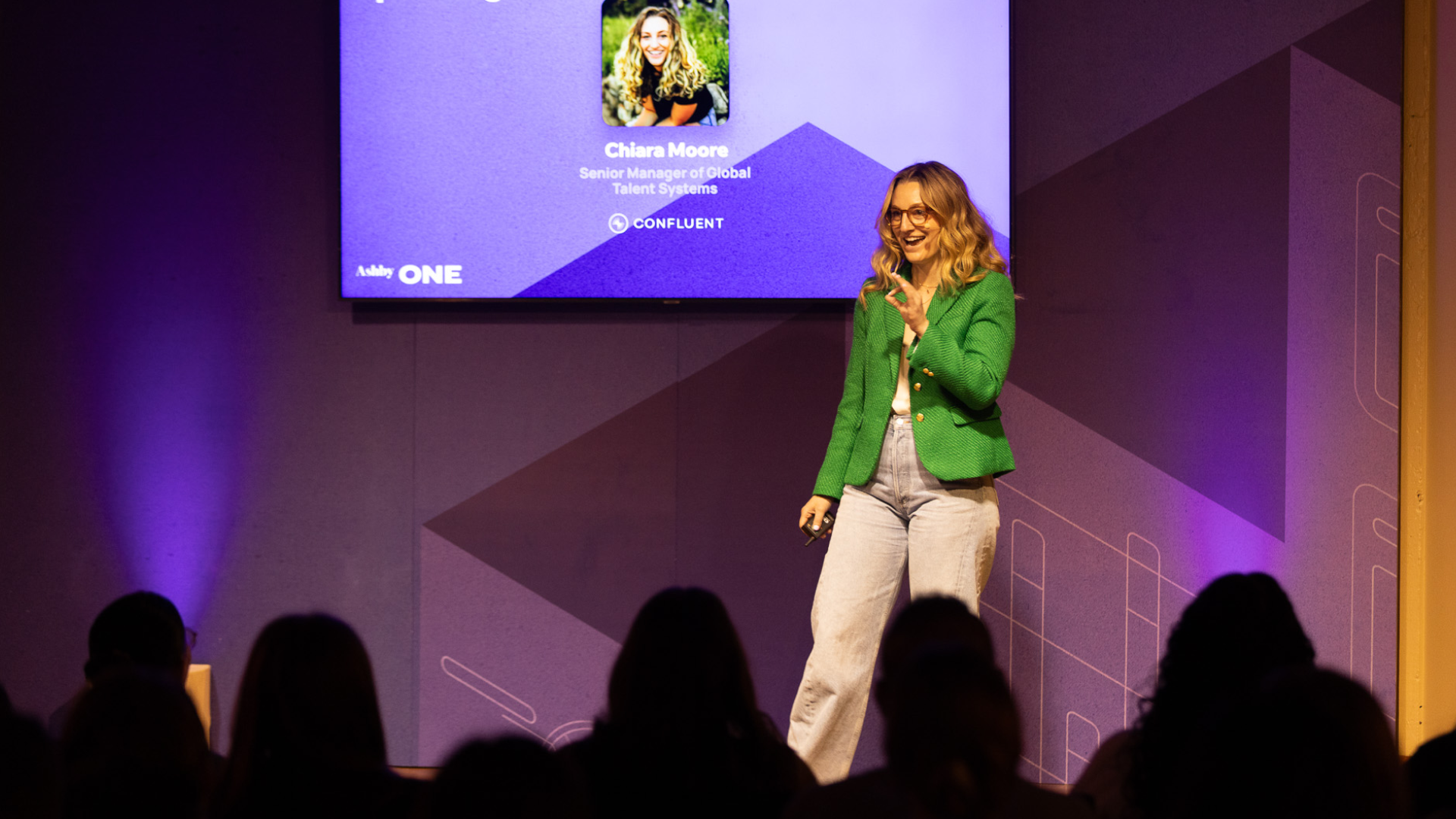
Avoiding Tech Regret: RFP with Results
Chiara Moore breaks down exactly when and how to run a rigorous, stakeholder‑driven RFP. In this talk Chiara covers criteria, scoring, sandbox testing, and pitfalls.
View session