Hiring Excellence in 2025
Join executive leaders as they reflect their experiences growing talent orgs. From the increasing role of AI to the growing emphasis on Talent Ops to examining the aftermath of the hypergrowth era.
Speakers



Overview
- Internal Mobility Strategy: Organizational approaches to prioritizing internal talent development and succession planning in different growth stages
- Hybrid Workforce Philosophy: Balancing remote flexibility with collaborative needs through impact-based performance frameworks and strategic resource allocation
- Strategic Advisory Evolution: Transforming talent function from reactive service provider to proactive business partner through data-driven workforce planning
- AI-Enhanced Recruiting: Leveraging automation to shift focus from administrative tasks to strategic quality and efficiency optimization
- Hiring for Recruiting Operations: What a RecOps hire can do for an organization, and the evolution of talent operations
- Cross-Functional Leadership: Understanding business dynamics and team interdependencies to provide strategic talent guidance
Transcript
Note: transcript is auto-generated, there may be typos.
[00:00:00] Marc Wendorf: Hello everyone. Hi. Thank you very much for that, uh, very kind introduction. Uh, my name is Marc Wendorf. It is such an honor and a privilege to be speaking to you all today with these two lovely accomplished humans. Over to my left. But today, you know, we are gonna be really talking about, um, not just what hiring excellence is, but how it manifests and how these two leaders really meet the moment for what's needed in their organizations around the topic of hiring excellence.
Marc Wendorf: But without further ado, I have two very accomplished executives over to my left. Let me start with some introductions before we get into it. Vanessa and Jen, I'm gonna read every word on my script about your background, so get ready. We're gonna spend some time here. So Vanessa, Vanessa currently leads the global talent acquisition team at UiPath.
[00:01:00] Marc Wendorf: Uh, you've been in the recruiting space for over 15 years with a particular focus on leading high performing recruiting teams, evolving recruitment strategy, which we're gonna talk about today. Talent ops and driving transformation at companies like ea, uh, GE Software as well. And you've really built and led global teams through their hyper growth phases playing a pivotal role in shaping hiring cultures and driving executive level strategies.
Marc Wendorf: So outside of work, you are a runner. Uh, you love decorating sugar cookies, which I'm dying to ask more about, but I don't have fun today. Um, doing puzzles and spending time glamping by the sea. Thank you for joining us today, Vanessa. Thank here. Great to have you. And then Jen, we have our, uh, eternal New Yorker is really how you brand yourself these days.
Marc Wendorf: Yes. Yeah. Uh, you are a people and talent leader currently overseeing both, I think, recruiting and people success at RAMP today, correct?
Jen Zitterman: Yeah.
[00:02:00] Marc Wendorf: Prior to that, you spent seven years at Lyft
Jen Zitterman: mm-hmm.
Marc Wendorf: Where you really built the New York office from the ground up. During that pretty formative, uh, pivotal experience, you led international hiring.
Marc Wendorf: You were also focused on operations and programs, and then at Lyft, um, after Lyft rather, you scaled a small crypto company's office from zero to 200. Correct? Not sure if you sleep, but we'll talk about that at some point. Um, when you're not building teams, you have a passion for interior design.
Jen Zitterman: Yes.
Marc Wendorf: Uh, you love spending time with friends and family, and you're always on the hunt for the perfect martini
Jen Zitterman: guilty.
Marc Wendorf: So my first question is, where's your favorite martini in San Francisco?
Jen Zitterman: I don't know.
Marc Wendorf: Well, we need to work on it.
Jen Zitterman: I told you when I, um, I love San Francisco and I was like 23. And I think at that point I was like, still just drinking like, well, vodka and soda, but. By the time I got to New York, I could actually like start to afford a higher class, um, beverage.
[00:03:00] Jen Zitterman: Okay. Which is start where I started my martini journey.
Marc Wendorf: All right. We were talking earlier and it's all about the little like shards of ice that float in the water. You see the ice at the top?
Jen Zitterman: Yeah. Rauls in New York if you've, if you ever visit the place to go.
Marc Wendorf: All right. I love it. Well, welcome. Thank you for being here as part of our hiring
Jen Zitterman: excellence
Marc Wendorf: panel.
Marc Wendorf: Well, shall we begin?
Jen Zitterman: Let's do it.
Marc Wendorf: All right. Let's talk a little bit about, um, how the two of you are experiencing. The topic of internal mobility. So if you really think about, you know, many companies are today are no longer in, you know, this place of hypergrowth, they may be optimizing or rebalancing. And in this new reality, I think succession planning takes on a different tone.
[00:04:00] Marc Wendorf: Uh, and I think succession planning probably happens as much from inside the organization as from outside of it. And this notion of hiring key generalists is becoming this more and more, uh, important lever. So, Vanessa, question for you. Talk to us a bit about how, uh, internal mobility, uh, and re-skilling talent shows up in your experience.
Vanessa Silva: Yeah, so, um, lemme make sure this can, uh, at UiPath, I think, um, as we've gone through this rebalancing from hypergrowth to more stabilization mode, uh, we really made an intentional shift in our CEO actually brought this to the organization that we need to be prioritizing internal talent. Um, and so it's actually, uh, a pillar of our talent strategy that we.
Vanessa Silva: Prioritize internal growth. Um, and, and what that means really for us is that, uh, we, we want to be engaging in discussions actively with talent and understanding who's on the bench, whether it's a leadership or individual contributor role, so that when we have opportunities become available across the company, we are looking internal first.
[00:05:00] Vanessa Silva: Before we even make a decision to go externally. And so, um, you know, that can show up in a lot of ways, but succession planning is one that we, um, are ready to launch internally. Um, priority is for our senior leadership positions. But, um, it, it's one of those things that I think we have an active role in, in helping.
Vanessa Silva: The organization, leaders and HR find that talent, build that bench, and then be able to activate that talent to be able to, to continue delivering on our promise and our commitment to the organization, which is prioritizing internal growth.
Marc Wendorf: Yeah.
Vanessa Silva: Yeah.
Marc Wendorf: Jen, what are you seeing?
Jen Zitterman: I'm almo. We're where you guys are gonna feel this dynamic.
Jen Zitterman: Uh, like we're almost the opposite, but very much similar in how we think about our principles. Um, we're in like super hypergrowth stage at AT ramp, so, um, we'll make close to 700 hires this year and did a similar amount of hiring last year. Um, we definitely. Want to prioritize internal mobility, we actually just, um, move someone into a internal mobility recruiter role to like really think about internal mobility more intentionally and ha have someone really own it as a program.
[00:06:00] Jen Zitterman: And even just the processing of, of the number of candidates that go through our internal mobility, um, flow. But I will focus a little bit more on generalists 'cause it's, it's something that's really important to us at RAMP right now. Um, and it really empowers and like enacts internal mobility longer term.
Jen Zitterman: So, um. Um, we feel like generalists can do really, really well at ramp. We've seen this play out with our business ops, um, team that sort of got dismantled as a centralized team. These people went into the organization and they're some of our most successful employees. Um, so we are a big fan of generalists.
Jen Zitterman: Generalists and specifically as an example, how we're, we're making this show up is how we think about hiring our PMNs. Um, so our PMM organization has gone through like a pretty big refresh recently. Um, it moved from our CEO over to our CTO and our PMM org actually sits underneath our chief product officer, which is like very not traditional.
[00:07:00] Jen Zitterman: Um, everyone's always confused when I tell them about it, but it's actually been working, um, very, very well because we want to build a more technical PMM function, better tied to product, things like that. So, um. Candidly, like we haven't been able to unlock the perfect PMM hire. It's really, really hard. Um, we've been, we had been focusing on like true marketers, um, deep experience in product marketing, only thinking from like SaaS B2B type companies, and it just wasn't working.
Jen Zitterman: So we've. Kind of blown it up. We are going for more of a general generalist model for our PMM function. We are hiring people that have zero marketing experience, super high performing consultants from like Bain and McKinsey, and really anchoring on what we actually want them to do in the organization, which is like take a problem.
Jen Zitterman: Use deep research, use LLMs to actually build something that will produce for the business in a good way, grow our business. Um, so we just made our first couple hires in this generalist model, um, check back in, in 90 days when we roll out our quality of hire survey. Um, so we'll see how it goes, but, um, it obviously that ties to internal mobility because if, if these people like can come in with [00:08:00] no marketing experience, be successful.
Jen Zitterman: They can do that in many parts of the organization and bring that marketing experience with them, maybe to sales, to ops, to cx, whatever it may be. So that, that's kind of how we're thinking about it today.
Marc Wendorf: That's great. So double clicking into this topic of internal mobility. Let's talk a little bit about kind of distributed distributed workers and, um, distributed members of your team.
Marc Wendorf: You know, with some of my clients, I'm seeing a little bit of. Maybe push, pull, maybe, um, healthy dialogue between distributed employees, right. And a more kind of fixed kind of return to office viewpoint. And a, I'm curious if either one of you are feeling that inside your organizations, uh, but also, you know, how do you think about balancing, you know, the desire for career growth with.
[00:09:00] Marc Wendorf: All of the teams that you work with, um, and the fact that, uh, we do have this view of return to office. Who wants to go first?
Vanessa Silva: I can. I can,
Marc Wendorf: yeah. Go for
Vanessa Silva: it. Yeah. So, um, we went through this, I'd say about a year ago where we were starting to think about how do we start to bring people more into the office because it is important for, for collaboration.
Vanessa Silva: And so, um, our view is, is a hybrid workforce. Um, we find that, uh, people do appreciate the flexibility to be at home, um, some days of the week, but also value the, the connection that you get from being in the office and being able to, to. To meet up with your colleagues. So, um, we still have a pretty decent percentage of our workforce that's remote and we don't intend to change that.
Vanessa Silva: Um, but kind of to your second question, in thinking about, you know, how you balance career growth, um, we are fortunate to have a, a pretty strong learning and development team, uh, that invests in coaching, mentorship programs. And we're really driving a lot of ownership of those di that dialogue of growth with the managers in what we call feedback in the flow of work.
[00:10:00] Vanessa Silva: So rather than waiting for a specific event, whether that's your annual conversation or even a quarterly connect, the idea is that we're really developing managers to feel comfortable and confident along with the employees, to have that dialogue ongoing so that you can quickly course correct if something isn't aligning or, um, in the event an opportunity does come up.
Vanessa Silva: The understanding is there already between, you know, your manager and you, that you want an opportunity to grow and we can help facilitate that. I think the second thing we did was, um, kind of rebalance how we looked at budgets annually. So we, um, our CFO put more emphasis in, uh, travel t and e budget so that we can encourage employees to go into an office when they can, or as an event or, uh, in all hands is happening to encourage folks who are remote to still have that opportunity to connect.
[00:11:00] Vanessa Silva: And not feel like they're at a disadvantage 'cause they're not in the office along with everyone else. And so that's been really great. We've taken advantage of that in our own team. Um, had an offsite in March. And again, it just kind of helps to continue to foster that, uh, connection, but also give visibility where you think you may not be able to if you're not in a room.
Jen Zitterman: Yeah. Yeah. I think, um, similarly we have a hybrid model, um, so like two or three days suggested in office and our main offices are New York sf and, um, a smaller but important office in Miami. Um, and, but RAMP started in COVID era, so actually everyone was remote at, or. I think they started in office but then very quickly moved to remote once they were going through some level of expansion.
Jen Zitterman: Um, but our major hypergrowth has happened in the last two years where we've really tried to prioritize more in-person hiring, um, people in office. Like we really see the value in, in that, um, like Vanessa noted as well. Um, I would say though, like what we always try to anchor on and what I try to encourage hiring managers to think about is like.
[00:12:00] Jen Zitterman: Impact, like that is what we measure. That is how you grow at this company, at ramp and, and I imagine at other companies as well. And if you can have that impact in a remote setting, then great. Like we will encourage and empower you to do that. But candidly, like remote work is like pretty hard and not everyone does it well.
Jen Zitterman: Um, so it's important to be like pretty transparent with, um, people or roles or opportunities of where there's gonna be sort of like. Other blockers are like extra stuff you have to do if you want to be remote and do this job well. And again, some people can do that very, very well. They're used to working remote, they do better in remote environments.
Jen Zitterman: But candidly, it's a harder job to, to do your job remote if a lot of the company is in office, especially at the size that RAMP is today. Like, we don't have the, um, we are getting better, but we don't have the perfect operating systems and communication to like really empower, like a, a full fledged remote workforce.
[00:13:00] Jen Zitterman: Um, so it's just sort of where we are in our growth stage that, um, we would never like. Not allow someone to grow because they're remote, but, but we just continue to try to anchor back on this impact piece and in the role you wanna grow into or the level you wanna grow into. Like can you have the level of impact you need, um, if you are remote, so kind of a, uh, uh.
Jen Zitterman: Half answer of like, we empower you, but again, we just focus on impact. Um, and a lot of people do better having that impact in person right now at ramp.
Marc Wendorf: Right. Yeah, that's really helpful. It does sound like the two, both of your organizations are in a bit of different places from it's an org maturity standpoint from where you are kind of in the growth cycle.
Marc Wendorf: And I think it's, it's, it's really helpful for the. They're, they're folks in the room to hear that. Just two different perspectives.
Jen Zitterman: Definitely.
Marc Wendorf: So let's talk a little bit about, as you, as you each reflect on your own evolution from, um, it, uh, into more of a strategic advisor from order taker. Right. I think, you know, there's, there's this constant kind of drumbeat of how does a people team have a seat at the table?
Marc Wendorf: Mm-hmm. How do they move into a place of strategic advisory from reaction?
Jen Zitterman: Yeah.
[00:14:00] Marc Wendorf: And my first question is, as you reflect on your own career journeys, uh, what, what, how would you describe your own evolution from reactionary to strategic advisor? And, um, you know, Vanessa, I'm gonna start with you. How are you kind of directly influencing your seat at the table when speaking with.
Marc Wendorf: Key cross-functional partners, like finance, the broader people, team, et cetera.
Vanessa Silva: Yeah, I think, um, my journey started early, uh, being a technical recruiter and realizing very quickly if I didn't have some data to bring along with me to a conversation, uh, I was, I was gonna get called out for it and I was gonna feel a little, uh, sheepish going outta that meeting.
Vanessa Silva: So, um, just from the start and just collectively as I kinda grew in, in my roles and sphere of influence and the altitude I was operating at. Uh, data just became my best friend because it, it was no longer anecdotal, it was no longer my feelings. It was just what it is, and allowed me to be able to analyze things.
[00:15:00] Vanessa Silva: Objectively to then come with recommendations and have a dialogue that's based in fact and, and reality versus, you know, uh, a soundbite here and there. And so I think that's just been, uh, kind of what I carry with me and what I bring, uh, to my org as well as I'm helping to develop my leaders and our recruiters in, uh, shifting from that kind of order taker mentality to being more of an advisor and how that shows up now in my role.
Vanessa Silva: Uh, in, in a couple ways. I, I think I'll anchor, I think we have a few sessions on, uh. Workforce planning and that whole headcount planning conversation. Um, I have a pretty good example of that this year. So historically, UiPath hasn't been the best at, at planning. Um, and, uh, our teams have been at the impact of that, where we get slammed in Q1, everyone's dying drowning by Q2, we're pumping the brakes because we've over hired and we haven't paced ourselves properly.
Vanessa Silva: And a lot of that is because, uh, we weren't in the conversation at the time, we should have been. Uh, so I can't take credit and say it was perfect this year, but it was better than the last two years in the sense that, um, worked with our fp and a leader to say, this plan is insane. There is no way we're doing this.
[00:16:00] Vanessa Silva: And I brought in a lot of data from the last three years to say what is actually realistic by looking at, um, pass through rates, but also just historically based on our capacity as a team, what can we deliver? Um, and so that really helped set the tone at the beginning with our finance leader to say.
Vanessa Silva: Here's what I can commit to. I know this is the business plan, but here's what we can do and here are options. If this isn't acceptable, here's a few options we can entertain, so that we can accelerate our hiring. Or go back to the business and reset. Um, so that was great. Uh, the interesting outcome there was we had a financial plan and we also had a business plan that we were aspiring to.
Vanessa Silva: Um, in the end, we're closing out Q1 and now using same data to see how we delivered on Q1, but then also looking ahead at how we're doing for Q2 delivery, where we have risk operationally for the business. And then readjusting and realigning our priorities and what we need to do internally as a team to be able to support that.
[00:17:00] Vanessa Silva: So I think from, from that perspective, uh, again, it's just grounded in, in what is, what was. Um, and it's not me, you know, just being emotional about too much work. It's literally not physically possible in any capacity. And so that helps get through the conversation because, um. Again, I just find that you can't argue data.
Marc Wendorf: Yeah, definitely a theme.
Jen Zitterman: I'm glad you have the Q1 problem too. Yeah, Q one's really tough. It's, um, no, I completely agree. Like if you're gonna go into a meeting to try to change something or influence someone or, um, anything without data, like, just, just cancel the meeting. Like don't go. Walk out the door.
Jen Zitterman: Definitely agree with you on the data piece. Um, I think like if I can, uh, I'll, I'll be, I think that's probably the most important thing, but I'll come up, try to come up with a couple other examples of how I've had, um, been able to have like more of an influential seat at the table. I think two things have helped.
[00:18:00] Jen Zitterman: Um, it, it's all in the vein of like being proactive versus reactive. Like the best way you can show yourself to the business is like. Tell them something that's coming that they don't know, they don't have to come to you, you go to them, is like the master unlock. And data really helps you do that for sure.
Jen Zitterman: Um, but it's also about how you think about your headcount as a talent leader, right. And encourage your team to think this way too. So yeah, we get a, a list of headcount from an fp and a team at the start of the year. Um, we probably think in like. Opening ID numbers or headcount numbers or um, or titles or whatever it may be.
Jen Zitterman: Um, but to really like unlock your ability to be strategic with the business is to understand how teams interact, how, um, different departments work together and how headcount influences that. So for example, if your head of engineering comes to you and says. You know, in Q2, like we are actually are gonna go incubate this product for ramp.
Jen Zitterman: Um, I'm using Ramp. Another example, um, let's say they're gonna, they're gonna roll out, um, travel and we need to like go hire 10 engineers to, to incubate this travel product, which does exist. And, and [00:19:00] so I'm not giving you any trade secrets. Um. Like you have to think beyond just those 10 engineers. Great.
Jen Zitterman: Okay. What does design then need? Like do we need a designer in this incubation process? Like let's go ask the head of design what they think. Do you need data people thinking about this stuff? Like that's the immediate, immediate builder pod that you have to think about. But can you take it a step further?
Jen Zitterman: Okay. So let's say in six months this thing becomes real. How will that impact sales cx, um, product marketing? Like what is the marketing strategy should we be thinking? I would advise we need a marketing person on this type of thing before it's ready to go to market type, um, advice. So the more you can understand how all your headcount and teams impact each other and interact together, the better you can be that like actual advisor versus reactive leader.
[00:20:00] Jen Zitterman: Another area which is kind of tied to this is like understanding the product in which you. Work in, um, you know, your recruiters actually may know the product better than you if you're a talent leader. They're pitching it all day. They sit in their team, um, their groups that they support, meetings, things like that.
Jen Zitterman: But it's like so critical for you as a talent leader or people leader to really deeply understand. Like the product that you're building and supporting, um, and what the pot, what the business levers are, right? Because the more you can like be in those exec rooms, um, when you're talking about headcount, understand and like keep up with the pace of the products, um, the better.
Jen Zitterman: And so. At ramp, we're super slack heavy. Um, there's a million Slack channels. We have like four just for product releases depending on the stage of the release. There's probably like a lot more that I haven't even found yet about product releases. Um, so I love to use like the Slack AI feature. Um, it basically, you can select certain channels that gives you a summary on, on a cadence that's right for you.
[00:21:00] Jen Zitterman: Um, and really try to like, spend time reading those updates and like, it may feel. Not as important. 'cause you have an, uh, a burning Slack DM from the CEO or, um, an email from someone that you, that you wanna answer first, but, but just try to make time in your week to, to continue to keep up with the business levers, the product, how it's evolving, and, and then how you can tie that into your overall understanding of headcount.
Marc Wendorf: That's great. I have a question, not on our prepared questions that I'm gonna ask
Jen Zitterman: Uhoh.
Marc Wendorf: If you think about, not maybe, if you think about, you know, what. What is most top of mind about what each of you learned about yourself in your own journey? Yeah. From reactionary to Strategic Advisor, what would you wanna share with maybe folks in the room that are earlier on in that journey?
[00:22:00] Jen Zitterman: Just like predict the worst case always. No, just assume the worst. Um, no. I would say in the vein, I'm like really going off the cuff here in the vein of hiring, I would say just buffer at a, like, it is kind of plan for the worst. Like, um, add a, like some level of buffer for yourself if you are in the context of a business that's super fast growing.
Jen Zitterman: Um. Which I think a lot of us are, if you are in a business that's more like steady state managing to pace, things like that, like, um, yeah, there probably is a lot more programmatic things you can bring to the business that would like lend you to be viewed as more strategic versus just this talent team that's only useful when you're growing by a ton of headcount or hiring a ton.
[00:23:00] Jen Zitterman: Um, so in like my current life, I just. Again, plan for the worst and add a buffer. Um, particularly in the departments that you know, are always gonna give you incremental headcount. Like I have learned the hard way that sales never means what they mean when they say, when they tell you they're gonna, you're gonna hire X number of people.
Jen Zitterman: Um, so we actually overstaff our sales recruiting team by a certain percentage and have gotten finance buy-in on that. And they agree and we're like off to the races. Um. Um, so yeah, that, that, that's like my current state of the world. But, um, I imagine if, if it's a little bit more steady state, like proving yourself as like a programmatic arm of the business and extension of like people in hr, it can be really valuable.
Vanessa Silva: Yeah. And I think for me it's uh, under commit, over deliver.
Jen Zitterman: Yeah.
Vanessa Silva: I do that. I don't severely under commit, but I under commit and I usually always have two numbers. One I publicly go to the business with to commit smart. And another one I bring to my team to say, here's where I put us on the hook, but here's where we're actually gonna shoot for.
Vanessa Silva: And we usually land somewhere in between. And that for me, uh, gives us that aspirational goal that I think my team can get to. But it also gives us the buffer, um, of, you know, if something goes south or something, I can't see a around a corner, it happens then, you know, we're, we're still, we're still pretty safe.
Vanessa Silva: So That's great. That's always worked pretty well for me. Great. Alright. Love
[00:24:00] Marc Wendorf: that. Thank you. Alright, well, our next question, the obligatory question about ai. Yes. Here we go. Yes. Uh, I think we, we all knew this question would come up Yes. At some point. Um, and there's a lot of places I think our dialogue can go on the topic of how you're seeing, um, uh, AI materialize at the operational and tactical level.
Marc Wendorf: But this is a question really to the both of you and, um. You know, to me it feels like even the basic construct of what a job is is changing. Mm-hmm. Uh, and some would argue maybe it's even fundamentally shifted already. And the question is, you know, what is a job of tomorrow or in the future compared to what a job has been?
Marc Wendorf: What's changing, uh, what stays the same, and how do we build for a moving target?
Jen Zitterman: Yeah,
Marc Wendorf: it's a simple one.
[00:25:00] Jen Zitterman: It's so easy. If I knew I would be like, not here and maybe a lot richer, but, um, no, no, no. I, I can make some, maybe some, um, general thoughts on, on the topic. Um. I mean, I think like everyone has this anxiety, and not everyone, but a lot of people have this anxiety that like, AI is gonna take our job and like, it's probably not gonna happen tomorrow.
Jen Zitterman: Like, could it happen in 10 years? Like, I don't know, maybe. Let's see. Um, but I, I think as humans and. Workforces evolve as they have with the invention of like computers and things like this that like they thought would potentially take people's jobs. Like your role just kind of changes. Um, and you, you as AI takes things off your plate that you're doing.
Jen Zitterman: It may take parts of your job. You will, like you and your, hopefully your team and your workforce around you will like. Mold into a new version of what your job is. So I spent a lot of time reassuring recruiters that this is the case on the team, um, that, that like recruiting is so naturally like a human-centric.
[00:26:00] Jen Zitterman: Position. Like no one joins a company because you have a really cool, well they may join 'cause you have a really cool AI product or whatever. Like, that's okay, fine. That might be true. Um, but there are also a lot of people choose companies based off the people, right? So the people element of recruiting and working and companies isn't necessarily going away.
Jen Zitterman: Um, but the role that our recruiters play or our sourcers or our coordinators play in the workforce is absolutely gonna change and already has, like imagine. A world where you're, you don't really have sourcers, recruiters, coordinators. You just have a talent workforce, a talent. People, well, we need a better branding for that, but let's just call them talent individuals.
Jen Zitterman: Um, and the sourcing and the, and the coordination is happening all behind the scenes. They don't have to touch much. They, of course, contribute to the model. They help train it, they tell it what's good or not. Um, but for the most part, like that type of work is happening behind the scenes. And what they could actually spend time on is what?
[00:27:00] Jen Zitterman: We all care about, which is quality of hire. And we heard a lot about, in the keynote of, um, how do we actually take performance data and turn it into like actionable changes in our interview process, give us more confidence in, in interviewing, delivering the right result or the best result, result possible.
Jen Zitterman: And we all talk about doing that. It feels like a, a big priority for talent leaders, especially right now. It's, it's at the forefront. Um, but. The email comes up, the candidate call comes up, the sourcing, the need to build the like top of funnel comes up and a lot of this more strategic stuff gets pushed to the side.
Jen Zitterman: So. Roundabout way of saying like, it's not gonna take our, like, the job's not going away. It's just gonna look a lot different. Yeah. And the best way to evolve with it is to just get on board, like learn how to use it. Try to blow up all of your antiquated, like, traditional ways of recruiting. Like just throw it out the window and, and get more creative and, and use these tools, um, to, to help you be able to focus on the stuff you actually care about.
Marc Wendorf: Because you've incorporated some, I think, team efficiency metrics, correct? Yes. Leveraging ai. Do you wanna talk a little bit about that as a
[00:28:00] Jen Zitterman: Yeah, so we, we, I rolled out this metric last year within the, um, to our exec team. It's still like a little bit of a work in progress. It's very simple. It's basically the cost of payroll for the entire comp for the hires that we made in a, a certain time period, let's say a quarter divided by the cost of payroll of my talent team per quarter.
Jen Zitterman: Um, so. That gives us a, a ratio based number that basically tells us some version of efficiency. Now, could I tell you what that number should be? No, but I, what we do track is that it either at least remains flat and ideally increases. Right? Okay. Meaning our team is getting more efficient. We're able to deliver more for the business with less on our side.
[00:29:00] Jen Zitterman: Um, but to do that like. I need to be able to roll out things to the team that will help them be more efficient, like source on sourcing coordination. 'cause that will mean we have less sourcers. Doesn't mean we have no sourcers, but, but we can operate a lot leaner. Um, if we're able to one, like have a, a North star metric we're working towards and, and be able to actually hold our team accountable to, um, and then roll out some like, uh, changes and, and tools and systems that Ashby being a lot of them, um, to help the team operate and remain super lean.
Marc Wendorf: Yeah. That's great. Now, Vanessa, uh, my flavor of this question for you is around, I believe you've had to navigate with some kind of downsizing or some reduction of recruiting teams, uh, wondering how you navigated this, how you think about AI playing a role in terms of. You know, uh, driving for efficiency and optimization with that context.
Vanessa Silva: Yeah. So, um, I know we hear a lot of do more with less. I'm trying to reframe that to do more with different, and it plays really well with our company. Um, just given we're, we're focused on AgTech automation, which takes AI to that next level where you have an agent. Or functioning as an assistant for you.
[00:30:00] Vanessa Silva: And so our CEO has come out to everyone and asked everyone to think about how an agent or agents can help us in the context of our work, assuming we are headcount flat. So the idea is we have to continue doing more, but the traditional method of I need more people is no longer the first option. An agent or some kind of automation or AI is, is the ask that we have to explore first.
Vanessa Silva: And so, a perfect example, there's a ton that I've been thinking about with agents specifically, but if you think about it, every, every time we get a rec, you know, a request, usually the recruiter or the hiring manager is going in to request the rec. Um, imagine at that point it, there's, there's an agent and there are workflows that go and set off a sequence of events that happen after that, which is.
Vanessa Silva: Okay, we need a job posting, an agent's helping to have that dialogue with the hiring manager. So the recruiters may be not doing that. And then the second part of that is how does that then feed into an alignment discussion? So we ask our recruiters to fill out an alignment guide with the hiring manager to get a understanding or an intake form of the role.
[00:31:00] Vanessa Silva: But, uh, an agent can help with that. And then you take those outputs and you have an agent go out and source three profiles for calibration that you then, as a recruiter can look at, validate and then bring with you to the conversation with the hiring manager to really get aligned so you're not spending your time filling out a form or try and understand like what the need is.
Vanessa Silva: All that's been done, and it leaves space for you to have an actual dialogue about what's going on in your team. Let's talk about what you know success looks like here, and really validate the information you've got rather than having to collect the information, then go off and do something. And so that's how I look at AI and automation and how our jobs are changing.
Vanessa Silva: It's freeing up the space to do the impactful work our recruiters enjoy versus. Hey, you have 300 applicants. You haven't gone through them yet. What's going on? And so that's the opportunity. Um, I think that I'm trying to shift kind of everyone's frame of mind in our team too. 'cause we do have that anxiety of is it replacing our jobs?
Vanessa Silva: Yeah. I don't, I don't believe it'll replace the job at all. I just think, again, it, it gives us more capacity to do the things that we truly enjoy. And what actually were, I think the, the, the drivers for recruiters. Yeah. And what they do day to day. So that's. That's my view of it.
Marc Wendorf: Exciting times.
Vanessa Silva: Yeah. Very.
[00:32:00] Marc Wendorf: Yeah. Um, alright, let's switch gears a little bit. So our room today is filled with talent leaders, rec ops professionals. So let's ask, let's switch gears a little bit and talk about the growing. Uh, focus. I do think, uh, there's been a little bit of yeah. Growing focus of bringing and standing up rec ops teams earlier and earlier.
Marc Wendorf: Mm-hmm. Uh, let's, let's talk a little bit about this trend. Maybe what's underneath it from your perspective. Jen, I'm gonna start with you. Um, you have quite a different. Recruiting coordinator. Team size currently?
Jen Zitterman: Yes.
Marc Wendorf: Then you had at Lyft?
Jen Zitterman: Yes.
Marc Wendorf: Um, but you've also made a new rec ops hire recently. Yes. And I'm curious, how do you think about, uh, talent ops within your team broadly?
[00:33:00] Jen Zitterman: Um, yeah. So at for context at Lyft, I had a recruiting o uh, coordination team alone of 25 people to support a talent org of like. A hundred ish. So, um, the, it was a, it was a lot of humans. Um, now the recruiting team at RAMP is 35 and we have two and a half rcs to support that, that team. Um, and they actually don't spend a hundred percent of their time even on coordination.
Jen Zitterman: They, they do split their time with some recruiting ops work as well. But how I think about rec ops. Is a lot of companies hire and teams hire it way too late. Um, it should be brought in much sooner than you originally than you maybe think. Um, because it kind of sets the foundation for how your entire team is gonna operate within, um, within the business, right?
Jen Zitterman: It sets up your tools properly. It's. So hard to go back and fix and change behavior. It is way easier to do it right from the start. As someone who joined last February and, and we are just now rolling out, recruiting off at ramp, um, yeah, it's really hard to change behavior so. My, one of my like two pieces of advice is, is do it early.
[00:34:00] Jen Zitterman: Um, my second piece of advice, yes. We just hired, um, our one and only recruiting, um, ops manager to the RAMP team just sitting at the front. Her name's Katie. Hi Katie. Oh, hi Katie and you. What's unique about Katie and what I would encourage you all to think about when you do go hire rec ops. Person is, um, she's far more technical than me and anyone on my team.
Jen Zitterman: So Katie actually has the ability to, to like do some lightweight coding and with JavaScript, um, she not only can, can be that deeply technical, but um, knows how to build up models in l in different LLMs and things like that. Um, and, and big and understands. How all like these people and talent tools work, um, and can imagine what a, uh, reinvented workflow could look like.
[00:35:00] Jen Zitterman: So she can, like really think about the workflow and what it, how it used to be done. Reimagine how it could be done and then actually build it out from a technical standpoint. Um, with, with the help of some tools, Ashby has done a, a ton here. Um, we use Tray as our, like AI or like connecting integrator, um, uh, tool.
Jen Zitterman: Um, and, and. Yeah. So I would say like, hire someone more sooner and hire someone more technical than you think you need.
Marc Wendorf: Got it. Great insight. Um, Vanessa, let's, uh, one final question for you, uh, in the same general topic, but let's talk about reporting and analytics and how you see reporting analytics, maybe evolving talent ops, uh, specifically in isolating and storytelling around emerging challenges.
Vanessa Silva: Yeah, I think, um, for me, we. We usually approach the conversation in recruiting as what's happened. And I think reporting and analytics are important to help us understand better what's coming or what we need to be thinking about to evolve towards. And so, um, from my perspective, uh, my, my rec ops person is in the room too.
Vanessa Silva: Amanda, she, yeah.
Marc Wendorf: Hi, Amanda.
[00:36:00] Vanessa Silva: She, Amanda and Katie. She, uh, endures all my questions. And all these ideas we have around how do we bring this forward to help our, our recruiters, our yeah, talent leaders, but then also the business understand how do we be more pro, how are we more proactive in, in what we understand our pipelines to be and everything else in pastor rates.
Vanessa Silva: So, um, I think, uh, Ashby thankfully has been very helpful in this regard, um, and continuing to evolve, but I think that's. That's a key differentiator for talent functions where if you're reporting on what's happened, most people less interested. It's why did that happen and what are we doing moving forward to evolve from that and and adjust
Marc Wendorf: the predictive aspect of it all.
Marc Wendorf: Yes. Yeah. Very good. Alright, well that is all the questions we had for today. Thank you very much.
Vanessa Silva: Thank
Marc Wendorf: you for joining us. Thank you to the two of you. Yeah. For taking time.
Vanessa Silva: Thank you.
Marc Wendorf: A big thank you.
Marc Wendorf: I think if there's one takeaway here from the thread of all these questions, it's that great hiring doesn't just support the business, it fundamentally shapes it, and I hope you all had some good insights and takeaways. So thank you.
Jen Zitterman: Thank you, thank you. Thanks everyone.
Key Takeaways
-
Data-driven decision making: Objective analysis creates credibility and enables strategic influence over emotional or anecdotal approaches
-
Talent pipeline philosophy: Prioritize internal development and succession planning as a sustainable competitive advantage over pure external acquisition
-
Skills-based hiring evolution: Focus on core competencies and learning agility over traditional domain expertise requirements
-
Technology augmentation mindset: Implement AI to enhance human strategic capabilities rather than replace core relationship and judgment functions
-
Performance measurement frameworks: Evaluate success through business impact metrics rather than activity-based or location-based criteria
-
Operational infrastructure timing: Invest in recruiting operations capabilities earlier in organizational maturity than conventionally practiced
-
Proactive business partnership: Anticipate organizational needs and provide insights before stakeholders identify problems
-
Capacity planning strategies: Build systematic approaches to workload management and resource allocation across high-variability business functions
Recommended Sessions
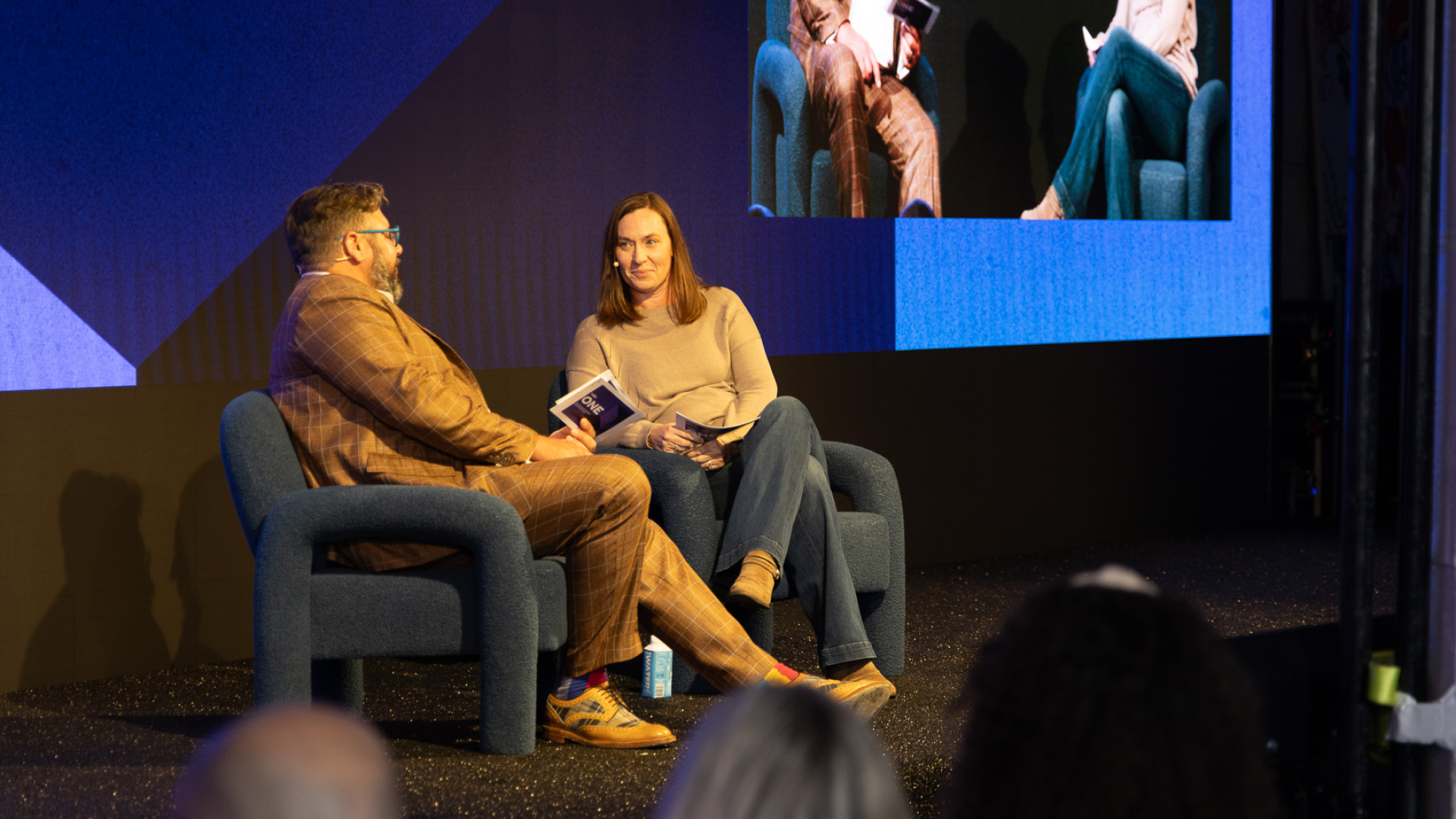
Hiring Excellence Framework in Action
Jim Miller and Anna Hall (Ashby TA) share real-world insights on transforming reactive recruiting into a strategic, data-driven talent acquisition engine.
View session
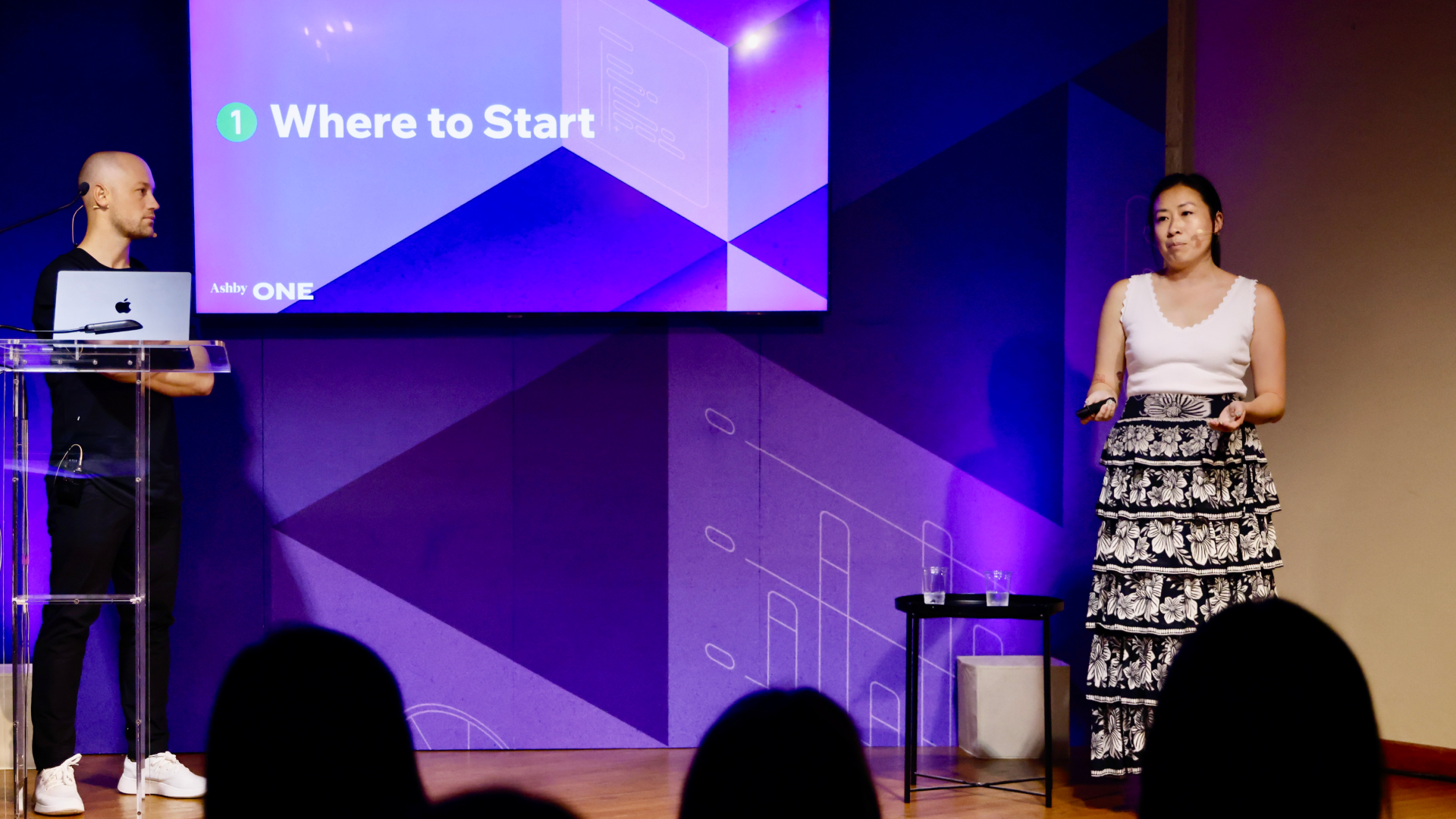
Modern Recruiting Metrics
Data accessibility has changed massively over the past decade. Join RecOps experts Laura Li from OpenAI and Max Butler from Ashby as they walk through specific, real-time, and goal-oriented recruiting metrics every team should be tracking.
View session